
Personalized Menus: Addressing Dietary Allergies with Precision and Care
In today’s diverse dining scene, personalized menus let caterers deliver meals that are both delightful and safe. With allergies affecting roughly 1 in 10 adults and 1 in 13 children, accommodation is now standard practice. At Gulf Namurr, we tailor catering to individual restrictions so every guest feels secure and welcome. Personalization goes beyond simple swaps: it respects the medical gravity of allergies—from mild hives to anaphylaxis—while addressing celiac disease, lactose intolerance, and dietary choices such as vegan or halal. By pairing culinary creativity with rigorous protocols across sourcing, preparation, and service, personalized menus elevate hospitality into a curated, low-risk experience.
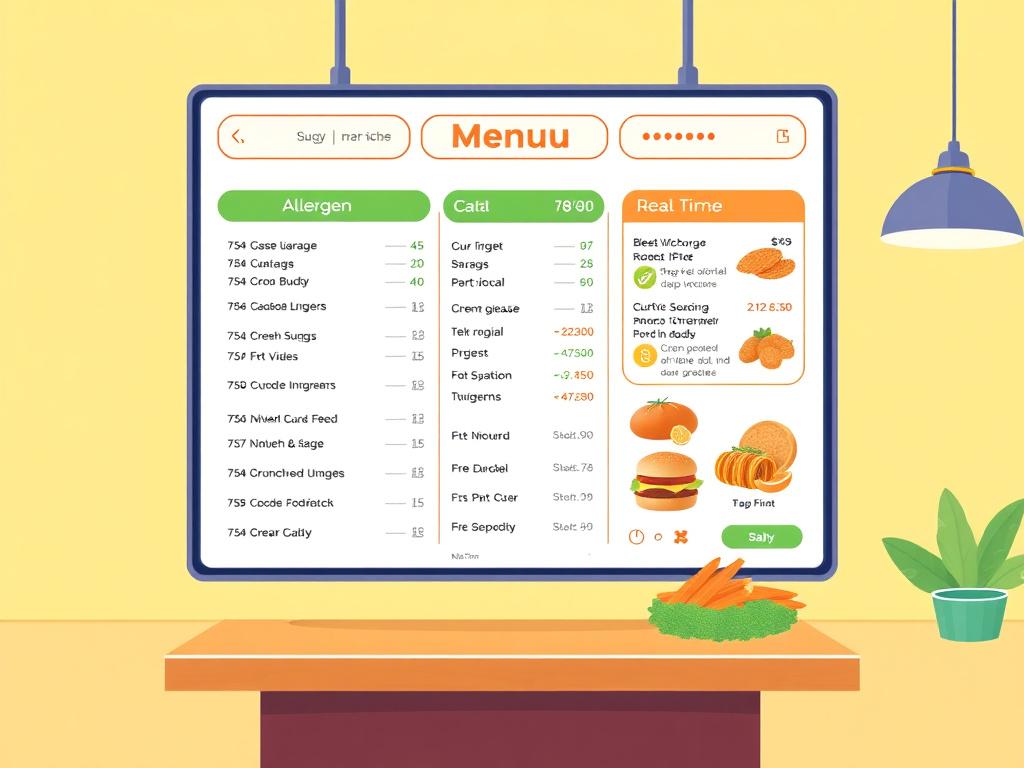
Recognizing the Need for Personalized Menus
Rising awareness of allergies and preferences has made tailored options essential. Personalization is not only about exclusions; it allows guests to enjoy a meal without fear, building trust and loyalty while simplifying event management. It signals respect when needs appear clearly in menus and staff communication. In many regions, transparent allergen disclosure is also a legal requirement, reducing miscommunication during busy service windows. For planners, proactively accommodating restrictions turns complex guest lists into smooth events and becomes a memorable differentiator that guests associate with care and professionalism.
Food Allergies: A Precautionary Overview
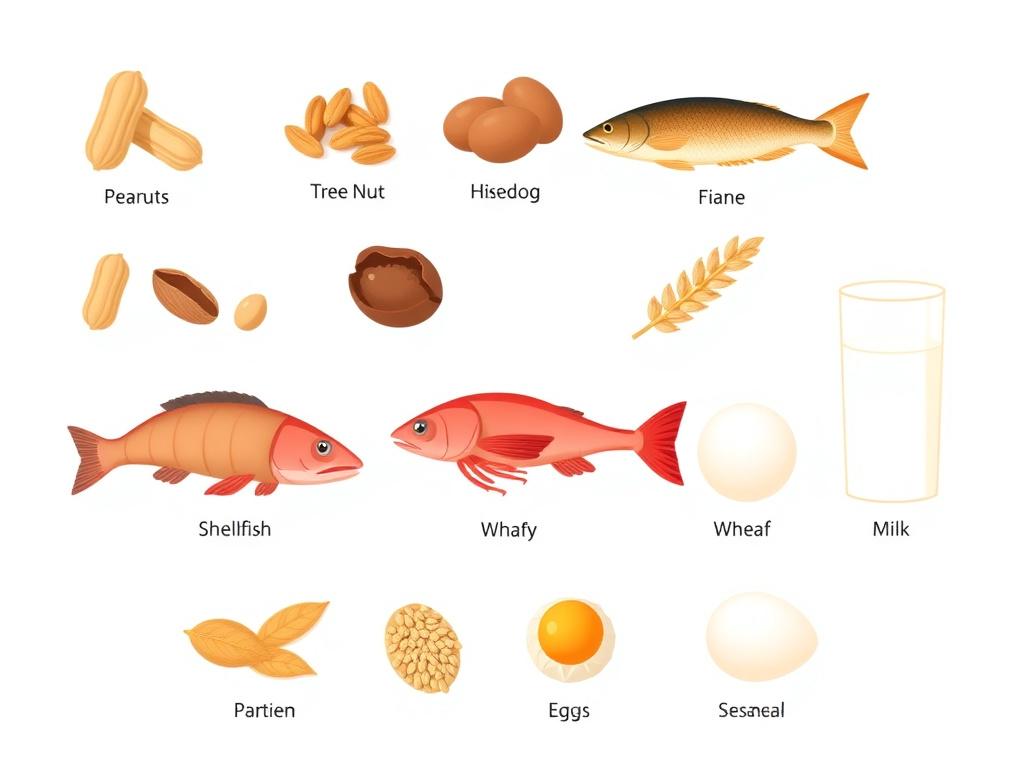
Common allergens include milk, eggs, peanuts, tree nuts, fish, shellfish, soy, and wheat—the “big eight.” Research shows these account for most allergic reactions. In some regions, sesame is increasingly recognized, underscoring the need to align menus with local regulations and guest demographics. Reactions vary widely—from itching and swelling to respiratory difficulty or anaphylaxis—so even trace amounts can be dangerous. Cross-contact through shared utensils, cutting boards, fryer oil, or unclean surfaces is a major risk. Systems like color-coded tools, dedicated storage, and meticulous sanitation meaningfully reduce exposure while keeping service efficient.
Case Study: Effective Personalization in Action
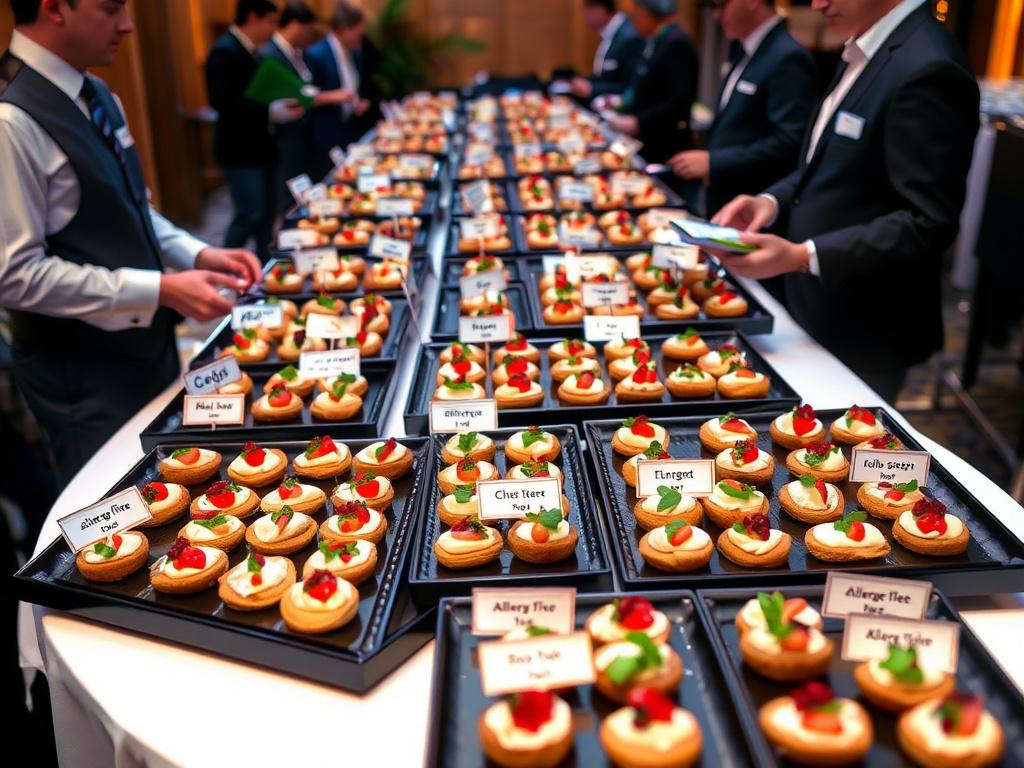
At corporate events, diverse needs must be met without slowing service. Gulf Namurr uses pre-event surveys to capture each attendee’s requirements—medical diagnoses, ingredient-level sensitivities, preferred cuisines, and prior negative experiences. These details feed production notes and service maps: servers receive table-specific allergen alerts, and kitchen teams label components with batch dates and allergen status. At one multinational summit, nut-free canapés carried distinct garnishes and were served on uniquely shaped trays to prevent mix-ups. A designated “allergen lead” coordinated last-minute changes and safe alternatives in real time. Post-event feedback recorded zero incidents and a marked rise in perceived care, proving that thoughtful personalization boosts both safety and guest delight.
Strategies for Developing Personalized Menus
Building a menu for varied needs relies on clear communication, meticulous preparation, and creative techniques that replace allergens without sacrificing taste. Start by defining guest personas and the event’s culinary narrative, then map each dish against potential allergens with a standardized checklist. Collaborate early with hosts to balance budget, seasonality, and safety; a brief tasting or virtual review can confirm direction and avoid last-minute changes. Finally, document recipes with precise measurements and steps so safe outcomes are repeatable under peak pressure.
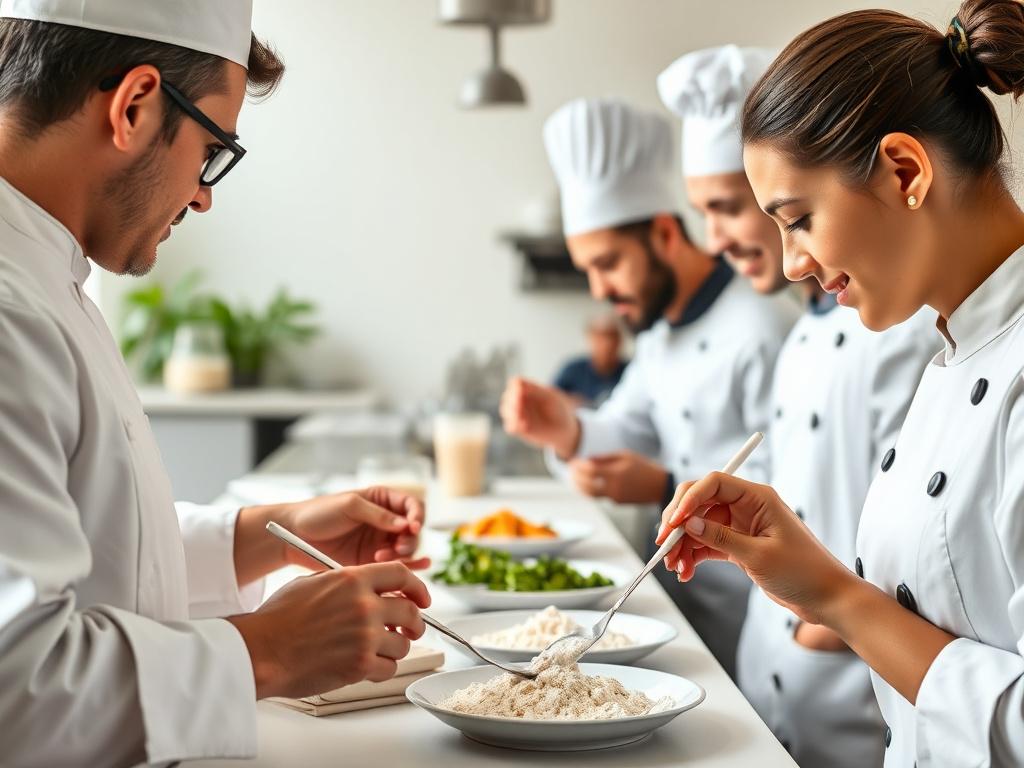
Thorough Ingredient Auditing
A rigorous review of all ingredients is the foundation of safe personalization. Transparency with suppliers about contents and cross-contact risks supports accurate labeling and informed choices, as highlighted in Menuviel’s guidance on creating allergy-friendly menus . At Gulf Namurr, we maintain a living allergen matrix that tracks risks by product, vendor, and lot number. We request certificates of analysis for high-risk items such as spice blends, glazes, and flavorings, where hidden allergens can lurk. Oils, marinades, and sauces receive special scrutiny, and “may contain” statements are verified for shared-line exposure. Audits occur quarterly or when suppliers change formulations, and updates push instantly to our digital menus so guests always see current information.
Using Alternative Ingredients
Safe, high-quality alternatives keep dishes delicious. Almond or coconut milk can replace dairy, while chickpea flour performs well in gluten-free baking and frying. Sunflower seed butter substitutes for peanut butter, and aquafaba often stands in for egg whites in meringues and mousses. Flax or chia “eggs” help bind baked goods, and xanthan gum can improve structure in gluten-free doughs. When choosing substitutes, consider cross-contact risks (e.g., uncertified oats), nutritional profile, and flavor impact. We run controlled tastings to refine texture and seasoning so allergen-friendly dishes stand on their own merits. Reliable sourcing and contingency stocks maintain consistency despite supply fluctuations.
Menu Design and Digital Integration
Clear design improves safety and confidence. Icons and color codes highlight options at a glance, while digital menus let guests filter by allergens or preferences. QR access enables real-time updates if components change mid-service, and multilingual support broadens accessibility. We prioritize plain language descriptions, ingredient-level detail, logical grouping, and screen-reader compatibility. When feasible, pre-order systems allow guests to flag allergens in advance, guiding mise en place and reducing errors. Version control and time stamps create accountability, and privacy protocols protect any guest information used for personalization.
Maintaining Safety and Integrity in Personalization
Even the best menu depends on flawless execution. Standardized recipes, labeled storage, and scheduled sanitation reduce variability. Receiving teams verify labels on delivery and segregate high-risk goods. Line checks confirm that allergen-free mise en place is sealed, dated, and placed above potential contaminants. Visual cues—colored tape, bin labels, and station cards—help crews maintain separation under pressure. Clear communication between kitchen and front-of-house ensures every promise on the menu is honored at the table.
Dedicated Preparation Areas
To minimize cross-contact, designate preparation areas for allergen-free foods and reserve separate utensils, cutting boards, and cookware, as noted by insiders on menus.top . Where space is tight, time-based segregation—prepping allergen-free items first—can work if sanitation steps are documented and verified. Separate fryers for gluten-free items, single-use squeeze bottles for sauces, and color-coded tongs and spatulas are small investments with big payoffs. We use disposable prep liners and schedule swab tests to validate cleaning. Clear station signage and supervisor spot checks keep standards high without slowing the line.
Comprehensive Staff Training
Staff training underpins allergen safety. Regular sessions on identifying allergens, reading labels, and preventing cross-contact are indispensable, as is case-based practice that builds confident, accurate communication. At Gulf Namurr, training includes onboarding modules, quarterly refreshers, and micro-drills that simulate high-pressure scenarios such as last-minute changes or simultaneous requests. We provide scripts for front-of-house—what to say, what not to promise, and when to escalate—while back-of-house teams practice verification steps, label checks, and plating protocols. Emergency response is part of the curriculum: recognizing symptoms, locating epinephrine when provided, and contacting medical services promptly. Documented completion and incident logs turn near-misses into improvements.

Conclusion: The Path Forward for Personalized Menus
Allergen-conscious, personalized menus are more than accommodations—they are a competitive edge. As diners seek venues that prioritize health and preference, businesses with robust allergen systems will stand out. At Gulf Namurr, we pair meticulous care with creativity to make dining joyful and safe. Looking ahead, integrated inventory tools that flag risks, dynamic menus that update in real time, and collaboration with dietitians will deepen this advantage. When safety and flavor advance together, personalized menus become a hallmark of modern hospitality.
By putting these strategies into practice, dining establishments strengthen reputation and protect guest well-being, encouraging repeat business and lasting loyalty. Feedback loops—post-event surveys, digital reviews, and direct follow-ups—refine processes and surface new ideas. Over time, the consistency of safe, satisfying meals fuels word-of-mouth, turning first-time visitors into advocates. Whether serving an intimate gathering or a large conference, the principle holds: thoughtful personalization, backed by rigorous systems, creates memorable experiences guests trust and return to again.